
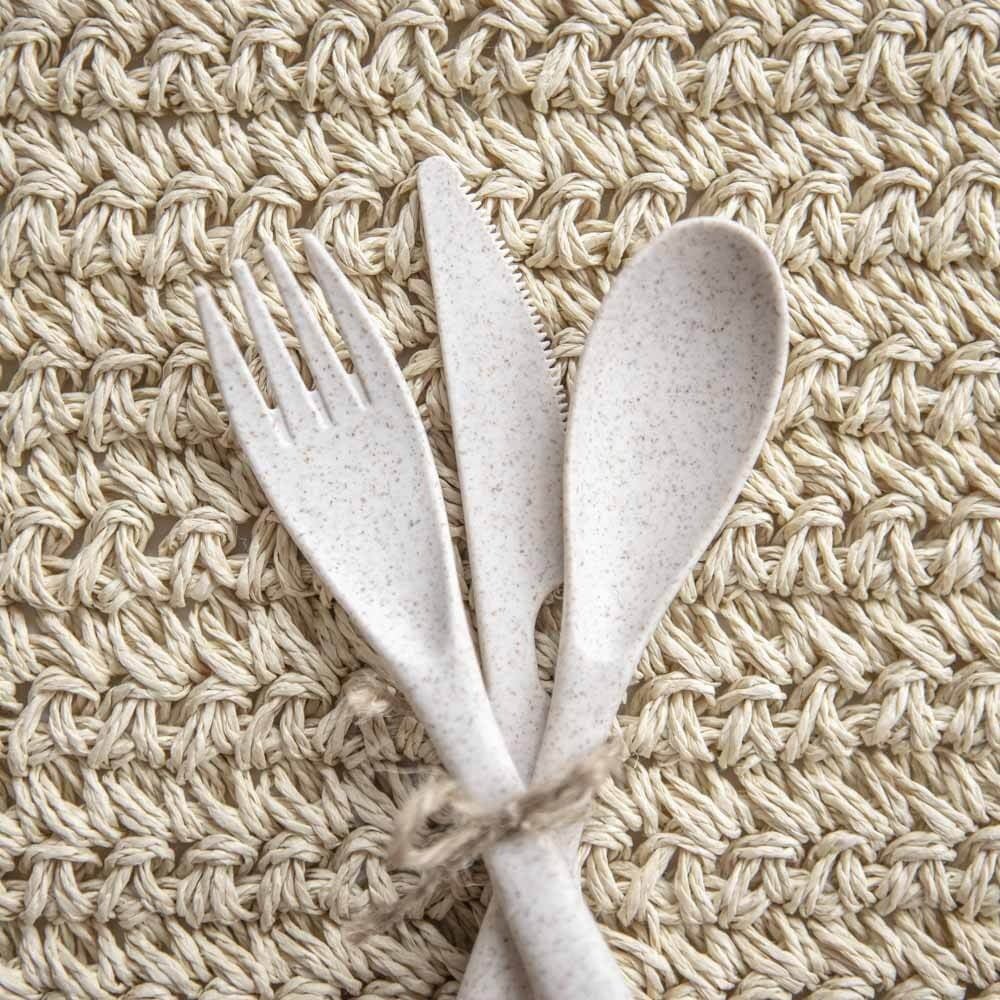
Wheat straw material, a sustainable alternative to traditional plastics, is gaining popularity for its eco-friendly properties. What is wheat straw material? Simply put, it is the stalk left over after wheat grains are harvested. This humble byproduct is now being transformed into a versatile and biodegradable material. Manufacturers are turning to wheat straw to create a range of products, from packaging to tableware. Let’s delve deeper into the wonders of wheat straw material and its potential to revolutionize the way we use and perceive everyday items.

What is Wheat Straw Material?
Welcome to our guide on wheat straw material! If you’ve ever wondered about this eco-friendly and versatile material, you’re in the right place. In this article, we will delve into the world of wheat straw, exploring its origins, properties, uses, and environmental impact. Let’s get started!
The Basics of Wheat Straw
Wheat straw is a renewable and biodegradable material that comes from the stems of wheat plants. After the wheat grains are harvested for food production, the leftover stems, known as straw, are often considered waste. However, innovative techniques have enabled us to transform this agricultural byproduct into a valuable resource.
Harvesting Wheat Straw
Wheat straw is typically harvested once the wheat grains have been collected. Farmers use specialized equipment to cut and gather the straw from the fields. Instead of burning or discarding the straw, it can be repurposed for various applications, making it a sustainable choice for both consumers and businesses.
Properties of Wheat Straw
Wheat straw possesses several unique properties that make it an attractive alternative to traditional materials like plastic or paper. Here are some key characteristics of wheat straw:
Biodegradable
One of the most significant advantages of wheat straw is its biodegradability. When disposed of properly, wheat straw breaks down naturally over time, unlike plastic, which can persist in the environment for hundreds of years. By choosing products made from wheat straw, you can reduce your carbon footprint and contribute to a cleaner planet.
Sturdiness
Despite being biodegradable, wheat straw is surprisingly sturdy and durable. It can withstand normal wear and tear, making it suitable for various everyday items, from food containers to disposable utensils. Wheat straw products are not only eco-friendly but also reliable for practical use.
Moisture Resistance
Another notable feature of wheat straw is its resistance to moisture. Unlike some other natural fibers that may degrade when exposed to water, wheat straw retains its shape and integrity. This quality makes it ideal for products that come into contact with liquids, such as cups or plates.
Uses of Wheat Straw Material
Wheat straw material can be found in a wide range of products across different industries. Let’s explore some common uses of wheat straw:
Food Packaging
Due to its biodegradability and sturdiness, wheat straw is often used in the production of food packaging items like clamshells, bowls, and cutlery. These eco-friendly alternatives to plastic containers offer a sustainable solution for food service businesses and environmentally conscious consumers.
Home Goods
From storage containers to cutting boards, wheat straw is making its way into various household products. Manufacturers are recognizing the benefits of using this natural material for items that are durable, safe for food use, and easy to clean.
Stationery and Office Supplies
For those who appreciate eco-conscious choices, stationery made from wheat straw provides a sustainable option. Notebooks, pens, and other office supplies crafted from wheat straw offer a greener alternative to traditional paper and plastic products.
Environmental Impact of Wheat Straw
When it comes to sustainability, wheat straw material has a positive impact on the environment. By utilizing wheat straw instead of non-renewable resources, we can reduce waste, conserve energy, and lower greenhouse gas emissions. Here are some ways in which wheat straw contributes to a greener planet:
Carbon Sequestration
Wheat plants absorb carbon dioxide from the atmosphere during photosynthesis. By incorporating wheat straw into products or using it for composting, we help sequester carbon and mitigate climate change. This natural process plays a role in reducing the concentration of greenhouse gases in the atmosphere.
Resource Conservation
Choosing wheat straw material over conventional materials helps conserve valuable resources. Since wheat straw is a byproduct of wheat production, its utilization minimizes waste and maximizes the efficiency of agricultural processes. This sustainable practice promotes a more circular economy and reduces the strain on natural resources.
Reduced Plastic Pollution
Plastic pollution is a significant environmental concern worldwide. By opting for products made from wheat straw, we can decrease our reliance on single-use plastics that often end up in landfills or oceans. Wheat straw offers a biodegradable and compostable alternative that helps combat the proliferation of plastic waste.
In conclusion, wheat straw material offers a sustainable and eco-friendly solution for various applications. Its renewable nature, biodegradability, durability, and environmental benefits make it a compelling choice for businesses and consumers seeking greener alternatives. By embracing wheat straw products, we can contribute to a healthier planet and a more sustainable future.
We hope this guide has shed light on the many facets of wheat straw material and inspired you to consider the positive impact of incorporating this versatile resource into your daily life. Together, we can make a difference by choosing mindful and eco-conscious options like wheat straw. Thank you for joining us on this journey!
Homienly Wheat Straw Cupss | Our Point Of View
Frequently Asked Questions
What is wheat straw material all about?
Wheat straw material is a sustainable and renewable resource that comes from the stalks of wheat plants after the grain has been harvested. It is commonly used to create various eco-friendly products due to its biodegradable nature and abundance.
How is wheat straw material different from traditional plastics?
Unlike traditional plastics derived from petroleum products, wheat straw material is a plant-based alternative that is compostable and does not contribute to the growing issue of plastic pollution. It offers a more environmentally friendly option for manufacturing various items.
What are some common products made from wheat straw material?
Wheat straw material is used to produce a wide range of products, including disposable food containers, utensils, plates, cups, and packaging. It is also found in eco-friendly home goods such as cutting boards, toothbrushes, and even furniture.
Final Thoughts
In conclusion, wheat straw material is an eco-friendly alternative to traditional plastics. It is derived from the leftover stalks of wheat crops after harvesting. Wheat straw material offers a sustainable solution for reducing plastic waste and promoting a circular economy. By using wheat straw material, we can contribute to a greener and more environmentally-friendly future.