
Coil tubing is a versatile tool used in the oil and gas industry for various well intervention and completion operations. It’s a continuous, flexible pipe wound on a spool, making it ideal for activities like cleanouts, pumping, and drilling. This innovative technology allows for efficient and cost-effective solutions in challenging well environments. As a vital component in the oilfield equipment arsenal, coil tubing plays a crucial role in improving well productivity and reducing downtime. Stay tuned to unravel the intricacies of what coil tubing is and its significance in the oil and gas sector.

What is Coil Tubing: A Comprehensive Guide
Welcome, young engineers and curious minds! Today, we are diving deep into the fascinating world of coil tubing. Have you ever wondered what coil tubing is and how it is used in various industries? Well, get ready to uncover the secrets of this versatile tool that plays a critical role in oil and gas operations, well interventions, and other applications. Let’s embark on this exciting journey together!
The Basics of Coil Tubing
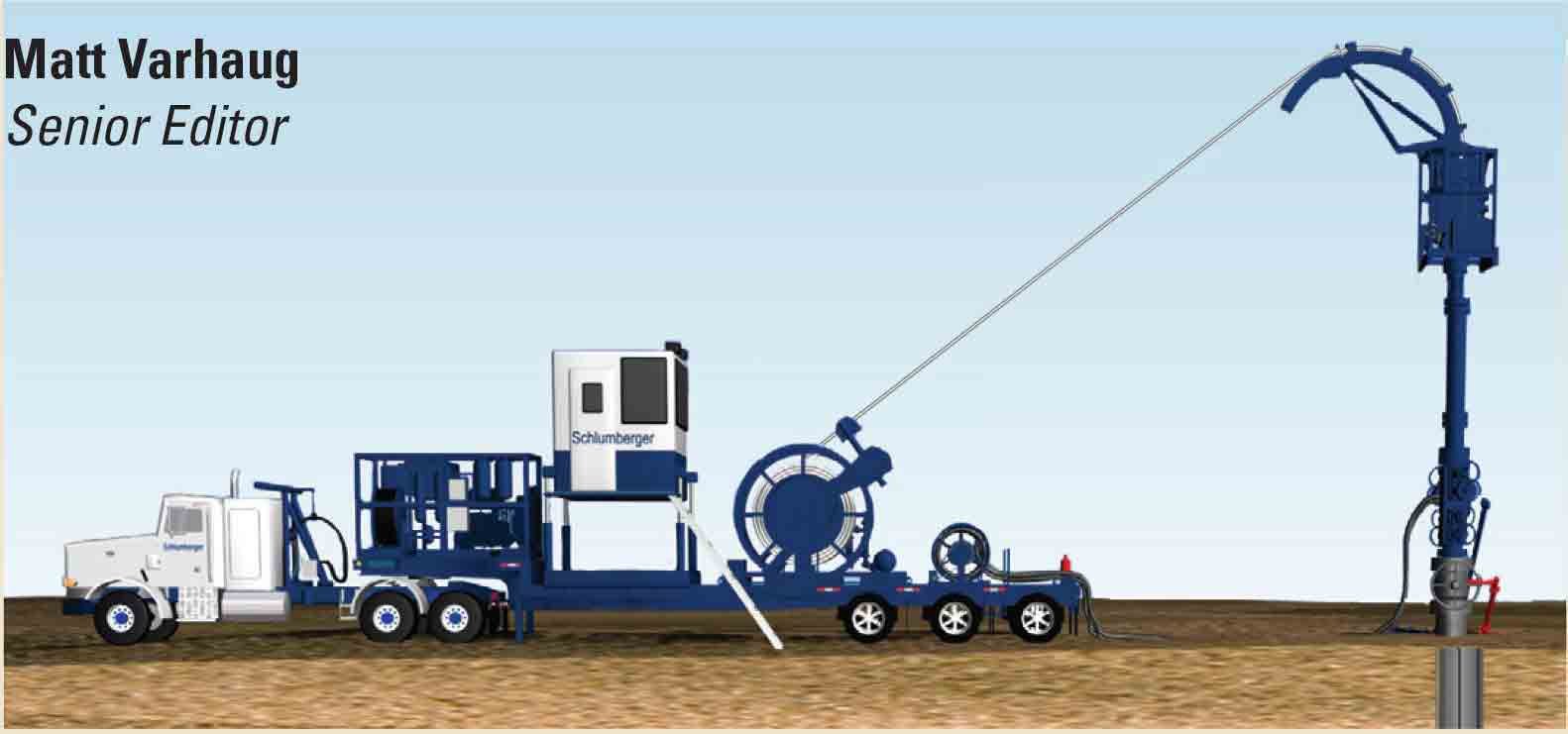
Imagine a long, flexible tube resembling a giant slinky – that’s coil tubing for you! Coil tubing is a continuous, flexible pipe wound on a spool that allows it to be inserted into wells or pipelines for a variety of purposes. Typically made of steel, coil tubing comes in various diameters and lengths, tailored to specific job requirements.
Unlike traditional jointed tubing, coil tubing is seamless, which means it has no connections that could potentially leak or fail under pressure. This feature makes coil tubing an efficient and reliable tool for a wide range of operations, from well cleaning and stimulation to logging and perforating.
Applications of Coil Tubing
Coil tubing is a versatile tool used in the oil and gas industry for a variety of applications. One of the primary uses of coil tubing is well intervention, which involves activities performed on an oil or gas well during or after its drilling or completion phase to improve or restore production. Let’s explore some common applications of coil tubing:
1. Well Cleaning and Flushing
One of the essential tasks in well maintenance is cleaning out debris, scale, and other obstructions that can restrict the flow of oil or gas. Coil tubing equipped with specialized tools such as jet nozzles and brushes is used to clean the wellbore and restore productivity.
2. Stimulation and Acidizing
Coil tubing is often used in well stimulation and acidizing treatments to enhance the productivity of oil or gas wells. By pumping chemicals or acids down the coil tubing into the wellbore, operators can dissolve obstructions and improve reservoir permeability, leading to increased production rates.
3. Logging and Perforating
Coil tubing is an invaluable tool for logging operations, where instruments are lowered into the well to collect data on the subsurface geology and well conditions. Additionally, coil tubing can be used to perforate the well casing, allowing for the controlled flow of oil or gas into the wellbore.
The Advantages of Coil Tubing
Coil tubing offers several advantages over traditional jointed tubing, making it a preferred choice for many oil and gas operators. Let’s take a closer look at some of the key benefits of using coil tubing:
1. Time and Cost Efficiency
Coil tubing operations are typically faster and more cost-effective than conventional well interventions that require multiple trips in and out of the well. The continuous length of coil tubing allows for seamless operations, reducing downtime and overall project costs.
2. Improved Safety
With fewer connections and reduced manual handling, coil tubing operations are inherently safer for personnel on the rig. The risk of leaks, spills, and other incidents is minimized, ensuring a safer work environment for everyone involved.
3. Versatility and Accessibility
Coil tubing can be deployed in a wide range of wellbore configurations, including deviated and horizontal wells, where traditional tubing may be challenging to run. Its flexibility and reach make coil tubing a versatile tool for various applications in the oil and gas industry.
Future Trends in Coil Tubing Technology
As technology continues to advance, so does the field of coil tubing operations. Innovations in material science, downhole tools, and data analytics are shaping the future of coil tubing applications. Some of the emerging trends in coil tubing technology include:
1. Enhanced Monitoring and Control Systems
New developments in sensor technology and real-time data analytics are enabling operators to monitor coil tubing operations more effectively. By incorporating advanced control systems, operators can optimize performance and ensure safer and more efficient interventions.
2. Automation and Robotics
The integration of automation and robotics is revolutionizing coil tubing operations, allowing for remote control and autonomous interventions. Robotic tools can perform intricate tasks in the wellbore with precision, reducing human intervention and enhancing operational efficiency.
3. Eco-Friendly Practices
With a growing emphasis on environmental sustainability, the oil and gas industry is exploring eco-friendly practices in coil tubing operations. From biodegradable fluids to reduced emissions, operators are incorporating green technologies to minimize the environmental impact of their activities.
And there you have it, young engineers – a comprehensive guide to the world of coil tubing! We’ve unraveled the mysteries of this flexible and powerful tool that drives innovation in the oil and gas industry. As you continue to explore the exciting field of engineering, remember the vital role that coil tubing plays in unlocking the earth’s energy resources and shaping the future of energy production. Until next time, keep on exploring and learning!
The Enhanced QuikRig® Coiled Tubing System enables faster rig-up and enhances safety
Frequently Asked Questions
What is coil tubing?
Coil tubing is a continuous length of small-diameter metal tubing, typically around 0.75 to 3.5 inches in diameter, wound on a spool. It is used in various oil and gas operations, well intervention, and well completion activities. The tubing is flexible and can be injected into wells to perform a wide range of operations.
How is coil tubing used in oil and gas operations?
Coil tubing is used for a variety of purposes in oil and gas operations, including well cleanouts, nitrogen kick-offs, milling operations, fishing, and hydraulic fracturing. It enables operators to perform interventions and treatments without the need to pull the tubing out of the well, making operations more efficient and cost-effective.
What are the advantages of using coil tubing over conventional tubing?
One of the main advantages of using coil tubing is its ability to perform interventions without the need for a workover rig. This reduces downtime, costs, and environmental impact. Additionally, coil tubing operations are faster and more versatile compared to traditional methods, making them ideal for time-sensitive operations.
Final Thoughts
In conclusion, coil tubing is a versatile tool used in various industries for well intervention and production activities. It consists of a long, continuous length of tubing spooled onto a reel. The flexible nature of coil tubing enables it to reach deep into wells and perform a wide range of operations efficiently. Overall, coil tubing plays a crucial role in enhancing the productivity and efficiency of oil and gas operations.