
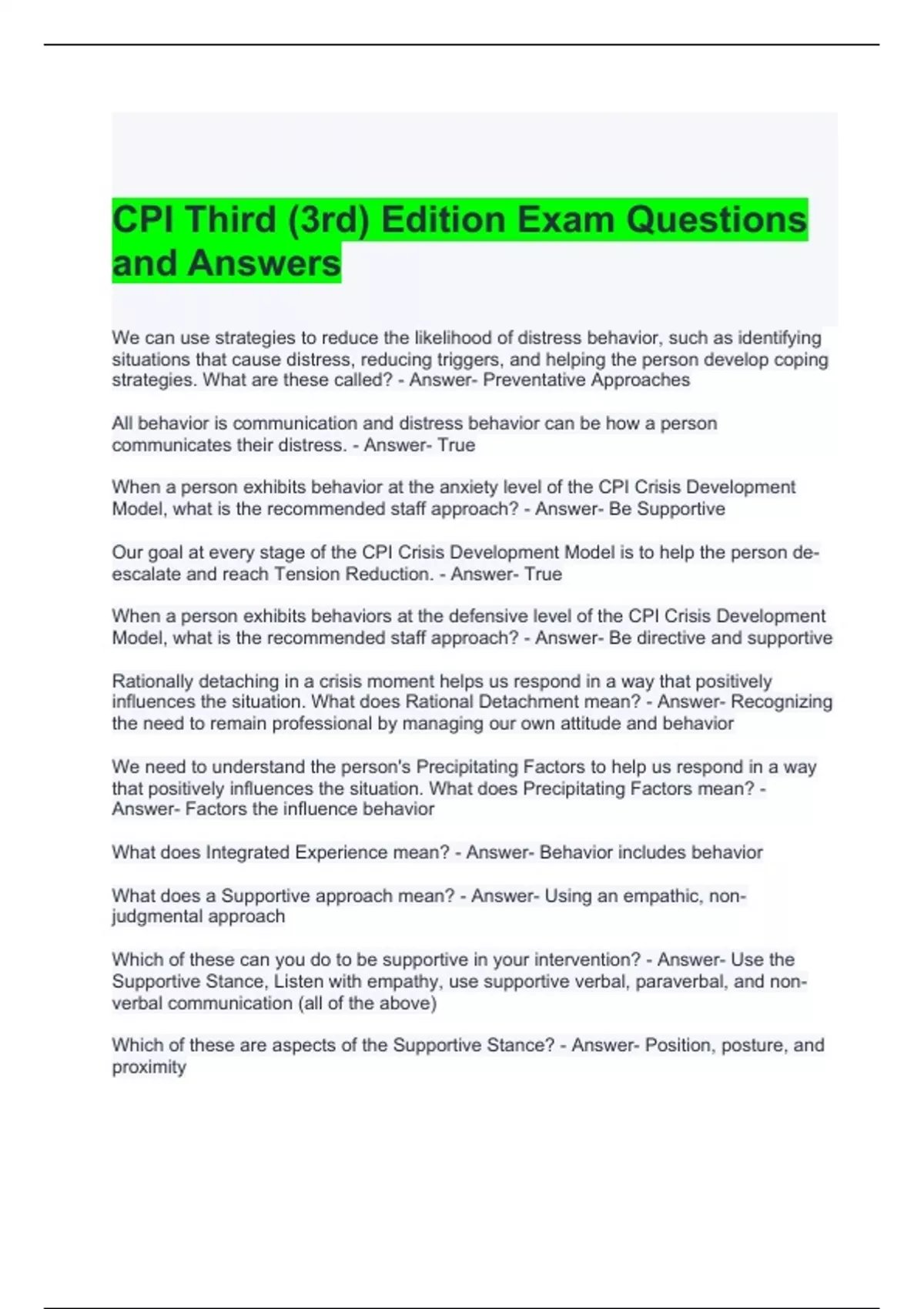
The directive approach in CPI focuses on clear, explicit guidance for instructors. It emphasizes step-by-step instructions and structured learning paths. This method ensures consistency and clarity in teaching practices. By understanding what does directive approach mean CPI, educators can enhance their teaching strategies for better student engagement and outcomes. Let’s delve deeper into this effective approach and explore its impact on educational practices.

Understanding the Directive Approach in Consumer Price Index (CPI)
Introduction
In the world of economics and statistics, the Consumer Price Index (CPI) plays a crucial role in measuring inflation and the cost of living. One of the key concepts within CPI methodology is the directive approach. But what does the directive approach mean in relation to CPI? Let’s dive in and explore this topic in more detail.
What is the Consumer Price Index (CPI)?
Before delving into the directive approach, it’s important to understand what the Consumer Price Index (CPI) is. The CPI is a measure that examines the average change over time in the prices paid by consumers for a basket of goods and services. This basket typically includes items such as food, housing, transportation, and healthcare.
How is CPI Calculated?
CPI is calculated by comparing the cost of the basket of goods and services in the current period to the cost of the same basket in a base period. This comparison helps to track inflation and assess changes in the cost of living for consumers.
What is the Directive Approach in CPI?
The directive approach in CPI refers to the methodology used to determine the items included in the basket of goods and services that are used to calculate the index. This approach involves setting specific guidelines or directives for selecting the items to be included based on their importance in the average consumer’s budget.
Factors Considered in the Directive Approach
When applying the directive approach, several factors are taken into account to ensure that the basket of goods and services is representative of typical consumer spending habits. Factors such as consumer preferences, income levels, and regional variations play a crucial role in determining which items are included in the CPI basket.
Consumer Preferences
Consumer preferences refer to the choices individuals make when it comes to purchasing goods and services. Items that are commonly purchased by consumers and have a significant impact on their budgets are more likely to be included in the CPI basket.
Income Levels
Income levels also play a role in the directive approach. Items that consume a large portion of a consumer’s income, such as housing and healthcare, are typically given more weight in the CPI calculation to accurately reflect the cost of living for different income groups.
Regional Variations
Regional variations in prices and consumer spending patterns are another important consideration in the directive approach. The CPI takes into account the cost of living differences across various regions to provide a more accurate representation of inflation on a national scale.
Importance of the Directive Approach in CPI
The directive approach is essential in ensuring that the CPI accurately reflects changes in the cost of living for the average consumer. By incorporating items that are relevant to consumer spending patterns and priorities, the CPI can provide valuable insights into inflation trends and help policymakers make informed decisions.
Policy Implications
The CPI, influenced by the directive approach, is used by policymakers to adjust wages, benefits, and tax brackets to account for inflation. Accurate CPI data helps policymakers implement economic policies that maintain stability and support economic growth.
In conclusion, the directive approach in the Consumer Price Index (CPI) is a critical aspect of economic measurement that ensures the index accurately reflects changes in consumer prices and the cost of living. By considering factors such as consumer preferences, income levels, and regional variations, the CPI can provide valuable information for policymakers and economists alike. Understanding the directive approach enhances our comprehension of how inflation is measured and how economic policies are formulated to address changing economic conditions.
How to Diffuse a Difficult Situation – in Just Five Words
Frequently Asked Questions
What is the directive approach in CPI?
The directive approach in CPI refers to the method of providing clear instructions and guidance to individuals on how to improve their performance or behavior in a constructive manner. This approach involves setting specific goals, outlining expectations, and offering feedback to help individuals understand what is required of them.
How does the directive approach influence performance improvement?
The directive approach in CPI plays a crucial role in performance improvement by enabling supervisors or managers to effectively communicate expectations, provide necessary support, and offer feedback that guides individuals towards achieving desired outcomes. By being clear and direct in their guidance, leaders can help employees understand how to enhance their performance.
What are the key benefits of using the directive approach in CPI?
By utilizing the directive approach in CPI, organizations can experience improved productivity, enhanced communication, and better alignment between individual goals and organizational objectives. This approach allows for timely and specific feedback, leading to a more focused and efficient performance improvement process.
Final Thoughts
In conclusion, the directive approach in CPI refers to a managerial style where clear instructions and guidance are provided to employees. This method helps in establishing structure and control within an organization, ensuring tasks are completed efficiently. By emphasizing top-down communication, the directive approach aims to streamline decision-making processes and enhance productivity. Understanding what does directive approach mean CPI is crucial for leaders looking to optimize their team’s performance.