
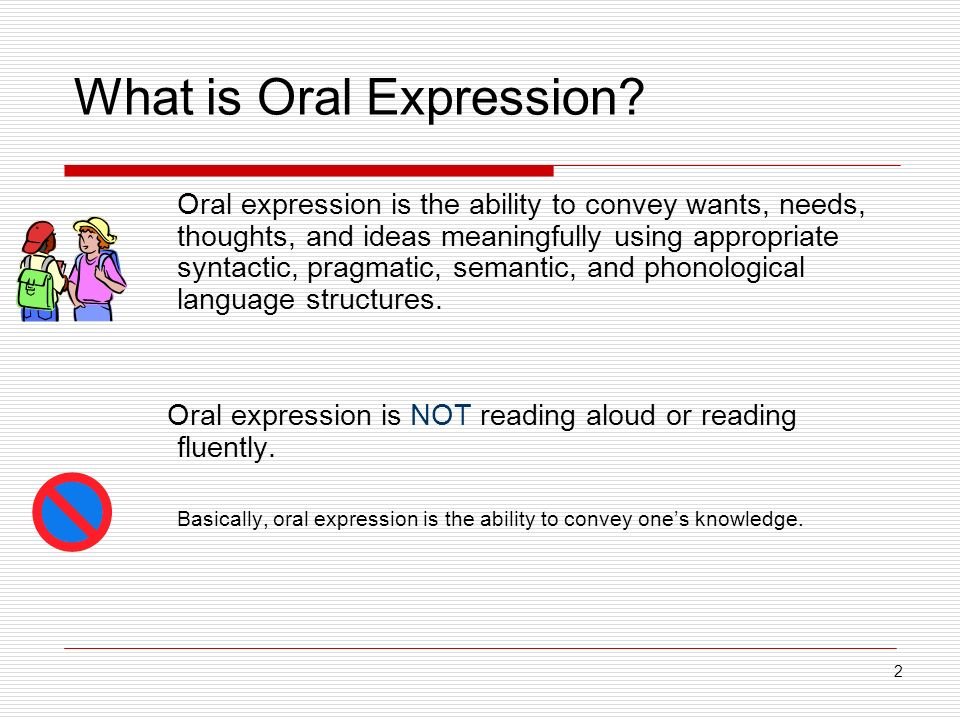
Oral expression is the art of communicating verbally, using words to convey thoughts, emotions, and ideas. Through spoken language, individuals engage in a dynamic exchange that goes beyond mere words. It involves not just what is said, but also how it is said – tone, pace, and emphasis play crucial roles. Effective oral expression captures attention, stirs emotions, and sparks connections in both personal and professional settings. Mastering this skill is essential for clear communication and successful interactions. Let’s delve deeper into what oral expression truly entails and how we can harness its power.

Exploring the Power of Oral Expression
Welcome, young readers, to an exciting journey into the wonderful world of oral expression! Have you ever wondered what it means to express yourself through speech? Well, that’s exactly what we are going to discover today. Buckle up and get ready to unravel the mysteries of oral expression!
Understanding Oral Expression
So, what exactly is oral expression? Simply put, it refers to the way we communicate our thoughts, feelings, and ideas through spoken words. When we talk, tell stories, share jokes, or even sing, we are using our oral expression skills. It’s like painting a picture with words, creating vivid images in the minds of our listeners.
The Power of Words
Words are powerful tools that help us connect with others. When we speak, we can make people laugh, cry, think, or feel inspired. Have you ever listened to a captivating storyteller who kept you on the edge of your seat? That’s the magic of oral expression at work!
By mastering the art of oral expression, we can become better communicators, express our thoughts more clearly, and build stronger relationships with those around us. So, let’s dive deeper into the fascinating world of oral expression and uncover its secrets!
The Elements of Oral Expression
There are several key elements that make up oral expression. Let’s take a closer look at each of them:
1. Voice Modulation
Have you ever noticed how some people can change the tone, pitch, and volume of their voice to convey different emotions? That’s voice modulation in action! By adjusting how we speak, we can express excitement, sadness, anger, or joy. It’s like adding color to our words!
2. Pronunciation and Articulation
Clear pronunciation and articulation are essential for effective oral expression. When we pronounce words correctly and enunciate them clearly, our message is easier to understand. So, practice speaking clearly and confidently to improve your oral expression skills!
3. Body Language
Did you know that our body language plays a crucial role in oral expression? How we stand, gesture, and use facial expressions can enhance the meaning of our words. So, remember to use your body language to complement your speech and make it more engaging!
4. Pausing and Emphasis
Pausing at the right moments and emphasizing key words can make your speech more impactful. Just like a musician uses silence and dynamics to create beautiful music, you can use pauses and emphasis to add rhythm and emphasis to your spoken words.
Why Oral Expression Matters
Now that we have a better understanding of oral expression, let’s explore why it is so important in our daily lives:
1. Building Confidence
Effective oral expression can boost your confidence and help you feel more comfortable speaking in front of others. Whether it’s presenting in class, participating in a debate, or sharing your ideas with friends, strong oral expression skills can give you the courage to speak up and be heard!
2. Enhancing Communication
Good communication is the key to successful relationships, both personal and professional. By honing your oral expression skills, you can express yourself more clearly, listen attentively to others, and avoid misunderstandings. Communication is a two-way street, and oral expression plays a vital role in making it smooth and effective.
3. Fostering Creativity
When we express ourselves orally, we are tapping into our creativity and imagination. Whether you are telling a story, reciting a poem, or delivering a speech, oral expression allows you to share your unique perspective with the world. It’s like unleashing the artist within you!
Practical Tips for Improving Oral Expression
Now that you know the importance of oral expression, here are some practical tips to help you enhance your speaking skills:
1. Practice Speaking Aloud
The more you practice speaking aloud, the more confident and articulate you will become. You can practice by reading aloud, reciting poems, or even pretending to host your own talk show! The key is to keep speaking and refining your skills.
2. Record Yourself
Recording your voice and listening to it can help you identify areas for improvement. Pay attention to your pronunciation, voice modulation, and pacing. You can also ask for feedback from friends or family to get a different perspective.
3. Join Toastmasters or Drama Clubs
Joining clubs or groups that focus on public speaking or drama can be a fun way to improve your oral expression skills. You’ll have the opportunity to practice speaking in front of an audience, receive constructive feedback, and learn from experienced speakers.
4. Read Widely
Reading books, articles, and poems can expand your vocabulary and expose you to different styles of writing. The more you read, the more ideas and words you’ll have at your disposal when expressing yourself orally. Remember, a well-read person is often a good speaker!
Congratulations, young explorers, you have now unlocked the secrets of oral expression! By mastering the art of speaking, you can open up a world of opportunities, creativity, and connection. Remember, practice makes perfect, so keep honing your oral expression skills and watch yourself grow into a confident and expressive communicator. Happy speaking!
Oral Expression: Mastering the Art of Spoken English
Frequently Asked Questions
What is oral expression?
Oral expression refers to the ability to communicate thoughts, ideas, and feelings verbally through spoken language. It involves the use of words, tone of voice, gestures, and facial expressions to convey messages effectively.
How important is oral expression in communication?
Oral expression plays a crucial role in effective communication as it allows individuals to interact, express themselves, and establish connections with others. Clear and articulate oral expression helps in conveying information accurately and building relationships.
What are the key components of oral expression?
The key components of oral expression include pronunciation, intonation, fluency, vocal variety, and non-verbal cues such as body language and facial expressions. These elements work together to enhance the clarity and impact of spoken communication.
How can one improve their oral expression skills?
To enhance oral expression skills, individuals can practice active listening, engage in conversations, participate in public speaking activities, seek feedback from others, and work on expanding their vocabulary. Additionally, taking speech and communication courses can also be beneficial.
Final Thoughts
Effective communication through oral expression is vital for connecting with others. It involves conveying ideas, emotions, and information verbally. Developing strong oral expression skills can enhance personal and professional relationships. Understanding the nuances of tone, body language, and pacing is crucial for successful communication. Practice and feedback play key roles in honing oral expression abilities. In conclusion, oral expression encompasses the verbal communication of thoughts, feelings, and messages. Mastering this skill can lead to clearer understanding and improved interpersonal connections.